
"instant coffee Japan"
1000 article(s) found

Most of the Nestle Gold instant coffee sold in Shenyang is made in Japan.
On April 24, the reporter visited several large supermarkets and two department stores specializing in imported food in Shenyang. During the visit, the reporter learned that at present, Nestl é gold selection instant coffee is on sale in Shenyang supermarkets, indicating that the country of origin is Japan.
Japan Nestl é decided to withdraw from the canned coffee market and focus on instant products.
Nestl é Japan has announced that it will stop selling canned coffee in vending machines and convenience stores and focus its resources on instant coffee products in the future, Japanese media reported. Nestl é Japan entered the canned coffee market in 1974 and signed an exclusive sales contract with Otsuka Food since 1990. However, Otsuka Group recently cooperated with Asahi on the sale of drinks, making use of each other's beverages.

The Reform Movement of Japanese Coffee Culture-- the push of Modernization
In the last article in this series, "Frozen Coffee across the Ocean, the birth of Japanese Coffee Culture," we learned about the influence of the Netherlands on Japanese coffee culture in the Edo era. However, after the opening of Hong Kong and trade, Japan experienced Meiji Restoration and began to accept the West under the influence of the westerly wind from the east.

Nestle gold medal micro-grinding brewing coffee will Nestle instant coffee get fat? Nestle instant coffee powder
Professional coffee knowledge exchange more coffee bean information Please follow the coffee workshop (Wechat official account cafe_style) Coffee aroma everywhere with me all over the world, I love coffee is famous, from instant coffee, to ground coffee to capsule coffee, no matter what form of coffee, as long as it is good coffee. During my visit to France this year, my good friend in Paris told me
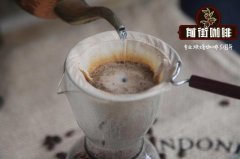
Do you know why Japanese coffee culture is unique? why Japanese coffee is so good?
Professional coffee knowledge exchange more coffee bean information please follow the coffee workshop (Wechat official account cafe_style) talking about the coffee territory of the world today, Japan is a country that has to be mentioned, although it does not produce a single coffee bean, nor is it like Italy or the United States for 30 years, it took Japan centuries to develop its own unique coffee culture.

Instant coffee can't be on the list.
Even now, cancer is the biggest cause of death in Japan. According to figures released by Japan's Ministry of Health and Labor in 2012 (Hirayuki 24), 360100 people die of cancer each year. In order to prevent cancer, there should be a large number of people who quit smoking and improve their diet. However, in fact, many foods around us contain carcinogens. So what kind of substances are they?

Japanese Coffee Culture the situation of Japanese coffee market ordinary coffee and instant coffee boutique coffee
At first, the Japanese were not used to the successive opening of coffee houses in Western Europe, when the literature and art of coffee culture were in bloom, while Japan was in the midst of the strict policy of locking up countries in the Edo era. Coffee, the first drink at that time, was set up at the Dutch store off the island of Nagasaki (1641) and presumed to have been brought in at that time. However, I can connect with foreigners.
Coffee in Japan
As early as the end of the 17th century, the Dutch brought coffee to Asia in the early 18th century, and coffee was soon introduced to Japan. Before and after the Meiji Restoration, Japan advocated total westernization, and the coffee culture with Dutch flavor took root in Japan. During the Taisho period (1879-1926), due to the pervasive atmosphere of freedom and democracy, fresh and luxuriant culture, cafes have been very prosperous. But with the Japanese army,
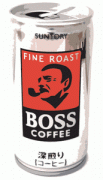
Coffee and Japan
As early as the end of the 17th century, the Dutch brought coffee to Asia in the early 18th century, and coffee was soon introduced to Japan. Before and after the Meiji Restoration, Japan advocated total westernization, and the coffee culture with Dutch flavor took root in Japan. During the Taisho period (1879-1926), due to the pervasive atmosphere of freedom and democracy, fresh and luxuriant culture, cafes have been very prosperous. But with the Japanese army,
Nestl é says the domestic gold medal coffee is produced in Japan with high quality and safety.
Recently, the Food Standards Agency in the UK has tested 248 food samples and found that the levels of acrylamide, a carcinogen in 13 kinds of food, are on the rise. Many well-known food companies, such as Nestl é and Heinz, have been warned by the British Food Standards Agency that excessive varieties include potato chips, instant coffee and crackers. Nestl é China said that Nestle products are up to standard and safe.
Coffee training Culture Coffee and Japan
As early as the end of the 17th century, the Dutch brought coffee to Asia in the early 18th century, and coffee was soon introduced to Japan. Before and after the Meiji Restoration, Japan advocated total westernization, and the coffee culture with Dutch flavor took root in Japan. During the Taisho period (1879-1926), due to the pervasive atmosphere of freedom and democracy, fresh and luxuriant culture, cafes have been very prosperous. But with the Japanese army,
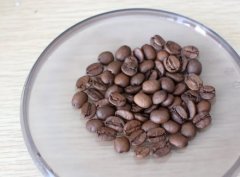
Fine Coffee Training Culture Coffee and Japan
Coffee was brought to Asia by the Dutch at the end of the seventeenth century and early eighteenth century, and coffee was soon introduced to Japan. Around the Meiji Restoration, Japan advocated total Westernization, and the coffee culture with Dutch flavor had taken root in Japan. During the Taisho period (1879 - 1926), coffee houses flourished because of the liberal democratic atmosphere and the fresh and flourishing culture. But with the Japanese militarism
Coffee training Culture-Coffee and Japan
As early as the end of the 17th century, the Dutch brought coffee to Asia in the early 18th century, and coffee was soon introduced to Japan. Before and after the Meiji Restoration, Japan advocated total westernization, and the coffee culture with Dutch flavor took root in Japan. During the Taisho period (1879-1926), due to the pervasive atmosphere of freedom and democracy, fresh and luxuriant culture, cafes have been very prosperous.
Instant coffee can't drink four carcinogenic foods that are more dangerous than cigarettes.
Even now, cancer is the biggest cause of death in Japan. According to figures released by Japan's Ministry of Health and Labor in 2012 (Hirayuki 24), 360100 people die of cancer each year. In order to prevent cancer, there should be a large number of people who quit smoking and improve their diet. However, in fact, many foods around us contain carcinogens. So what kind of substances are they?
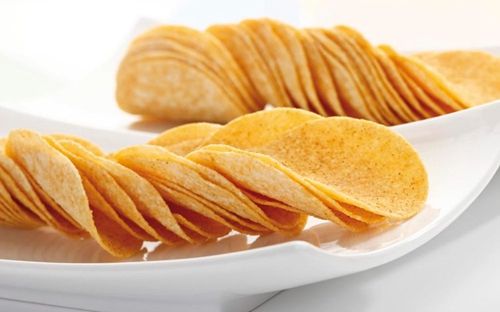
Instant coffee can't drink four carcinogenic foods that are more dangerous than cigarettes.
Even now, cancer is the biggest cause of death in Japan. According to figures released by Japan's Ministry of Health and Labor in 2012 (Hirayuki 24), 360100 people die of cancer each year. In order to prevent cancer, there should be a large number of people who quit smoking and improve their diet. However, in fact, many foods around us contain carcinogens. So what kind of substances are they?

Coffee and the Story of Coffee Culture in Japan
As early as the end of the 17th century, the Dutch brought coffee to Asia in the early 18th century, and coffee was soon introduced to Japan. Before and after the Meiji Restoration, Japan advocated total westernization, and the coffee culture with Dutch flavor took root in Japan. During the Taisho period (1879-1926), due to the pervasive atmosphere of freedom and democracy, fresh and luxuriant culture, cafes have been very prosperous. But with the Japanese army,

Japanese unique coffee culture Traditional coffee culture concept crushed by Japanese coffee
Professional barista exchanges Please pay attention to coffee workshop (Weixin Official Accounts cafe_style) In recent years, even in Japan, interest in coffee has been rising. This seems to affect coffee festivals at different locations from the third wave of coffee to those that do not show interest in coffee or with... One layer has now been performed. This Japanese coffee culture seems to exist overseas.
Instant coffee is not allowed to take inventory of the four major carcinogenic foods that are more dangerous than cigarettes.
Even now, cancer is the biggest cause of death in Japan. According to figures released by Japan's Ministry of Health and Labor in 2012 (Hirayuki 24), 360100 people die of cancer each year. In order to prevent cancer, there should be a large number of people who quit smoking and improve their diet. However, in fact, many foods around us contain carcinogens. So what kind of substances are they?
Boutique Coffee Culture Coffee and Japanese Cultural Story
As early as the end of the 17th century, the Dutch brought coffee to Asia in the early 18th century, and coffee was soon introduced to Japan. Before and after the Meiji Restoration, Japan advocated total westernization, and the coffee culture with Dutch flavor took root in Japan. During the Taisho period (1879-1926), due to the pervasive atmosphere of freedom and democracy, fresh and luxuriant culture, cafes have been very prosperous. But with the Japanese army,
Residents of Nara Prefecture in Japan like coffee best.
According to the RecordJapan website, coffee is now one of the world's top three beverages along with tea and cocoa. It can not only eliminate fatigue, but also refreshing effect, deeply loved by office workers. According to a national survey conducted by Japan's Ministry of Foreign Affairs, Nara prefecture residents like coffee most, and each family consumes 3195g of instant coffee every year. The survey summed up all over the country.